Typeform — Organizational Innovation at Canvas Credit Union
Modernizing Canvas's Form Experience
Role
Innovation Champion
Industry
Financial Services
Duration
9 months

The Problem
When I joined Canvas Credit Union as a Marketing Apprentice in 2021, one of my earliest responsibilities was building web forms and surveys. I would build event RSVPs, internal ordering systems, and conduct org-wide data collection. The tool we used was a platform that was antiquated.
It was functionally limiting in ways that made my job harder every day. Stakeholders would ask for forms with branching logic and I simply couldn't do it. There was no form personalization. Data was painful to extract and even harder to act on. The user experience was so sterile that Canvas members had begun flagging our own forms as potential scams. Our brand was on those forms and that was a problem.
I knew there had to be a better way.
The Discovery
At the end of 2022, I used Typeform for the first time when filling out an informational form for a leasing company. I remember stopping mid-form and thinking: this is what ours should feel like. It was beautiful, intuitive, and felt like a real brand experience, not a compliance checkbox.
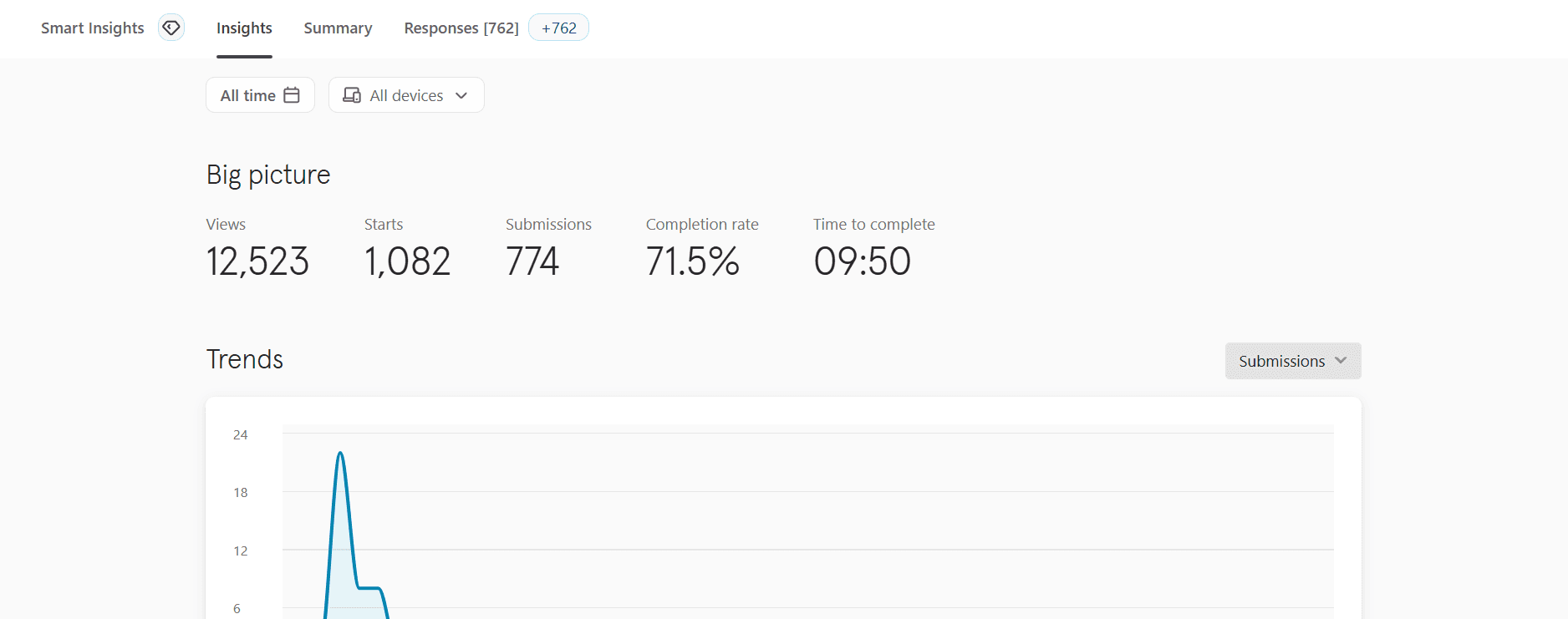
I opened a free trial that night and within days I had enough to bring to my boss. I showed him what Typeform could do, the logic branching, the visual design, the data dashboard. He was immediately on board. His direction was clear: research everything, build a proof of concept, and I'll take it upstairs for approval.
The Work
Building the Case
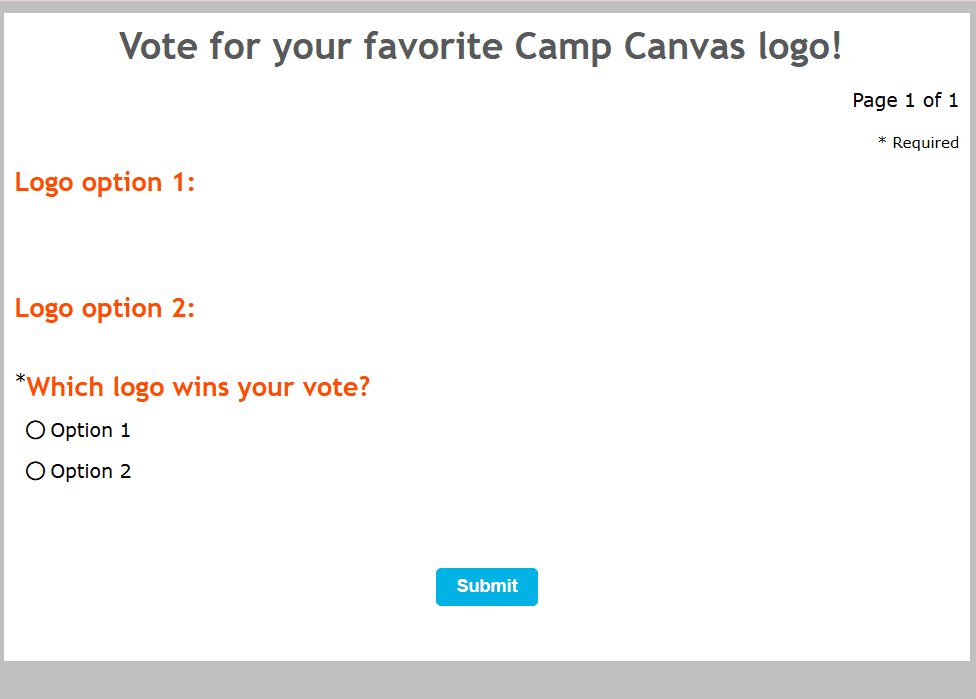
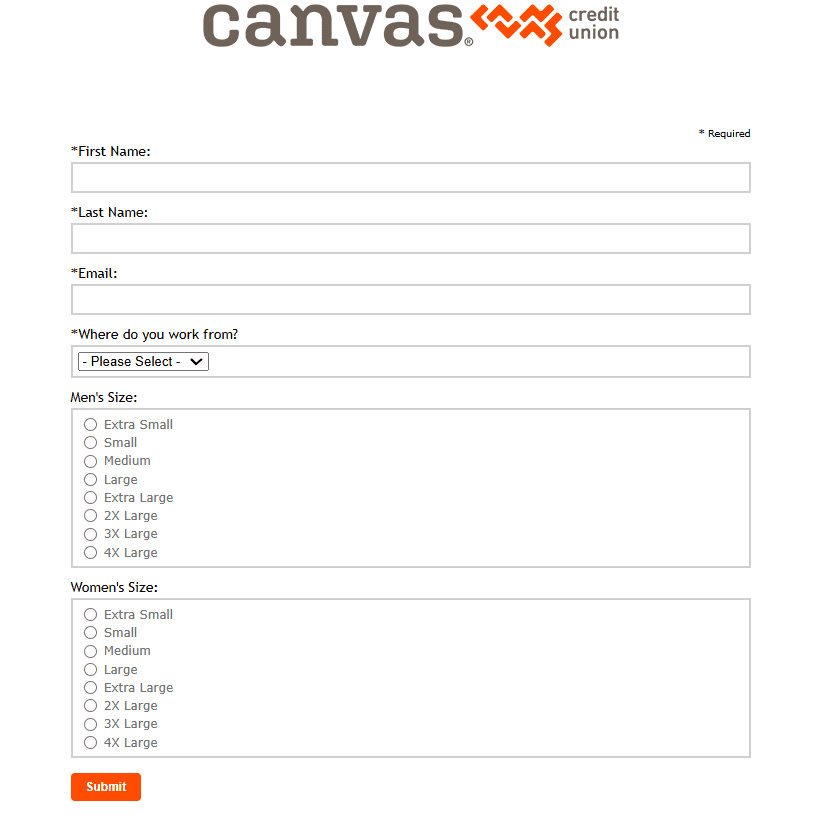
I built a branded Typeform kit using Canvas's brand standards — colors, fonts, tone — and created live proof-of-concept forms using real use cases we already had on the calendar. My goal was to show people exactly what their next survey could look like, right now, with work we were already doing.
Leadership was intrigued but raising eyebrows doesn't equal change.
The "Ask Forgiveness Later" Launch
Rather than wait for full organizational sign-off, I worked with a colleague on the internal communications team to quietly swap Typeform in as the survey platform for an upcoming form. No announcement. It was just a better experience in place of the old one.
The response was immediate. Our engagement spiked and people noticed the change almost immediately.
That spike became my closing argument. With real engagement data in hand, I secured full organizational support and budget to purchase TypeForm at scale.
The Rollout
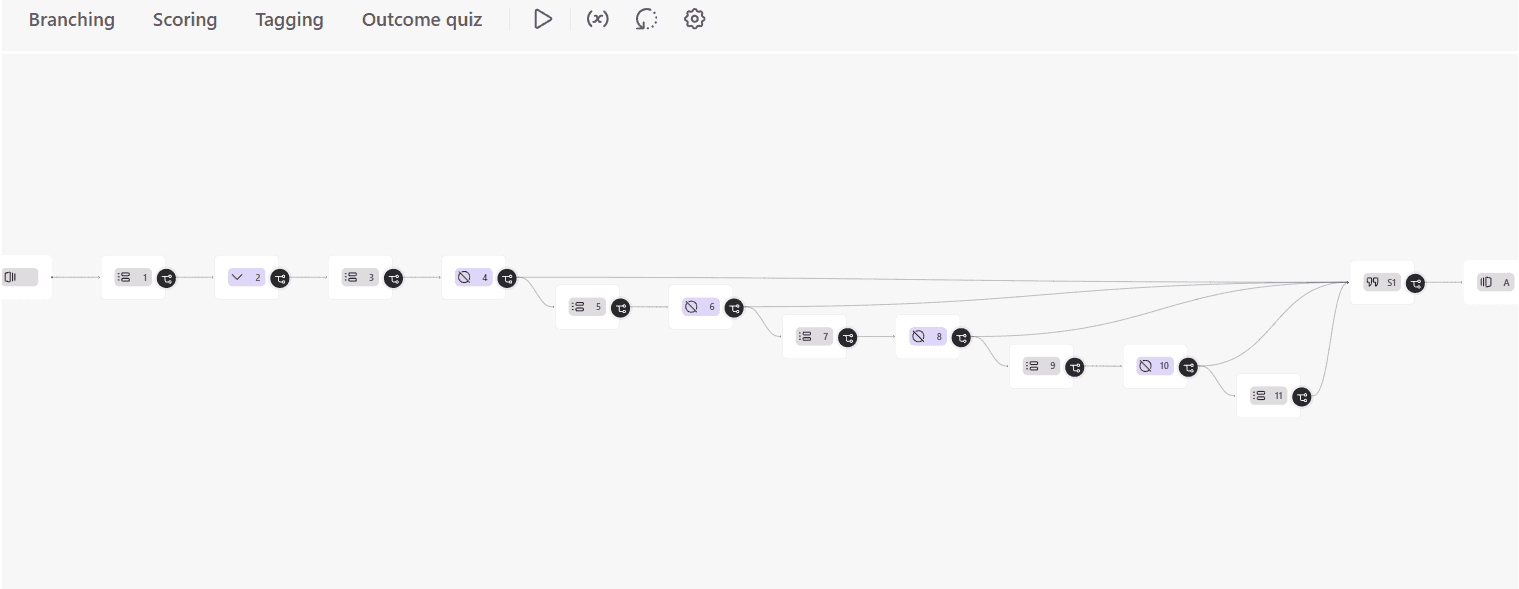
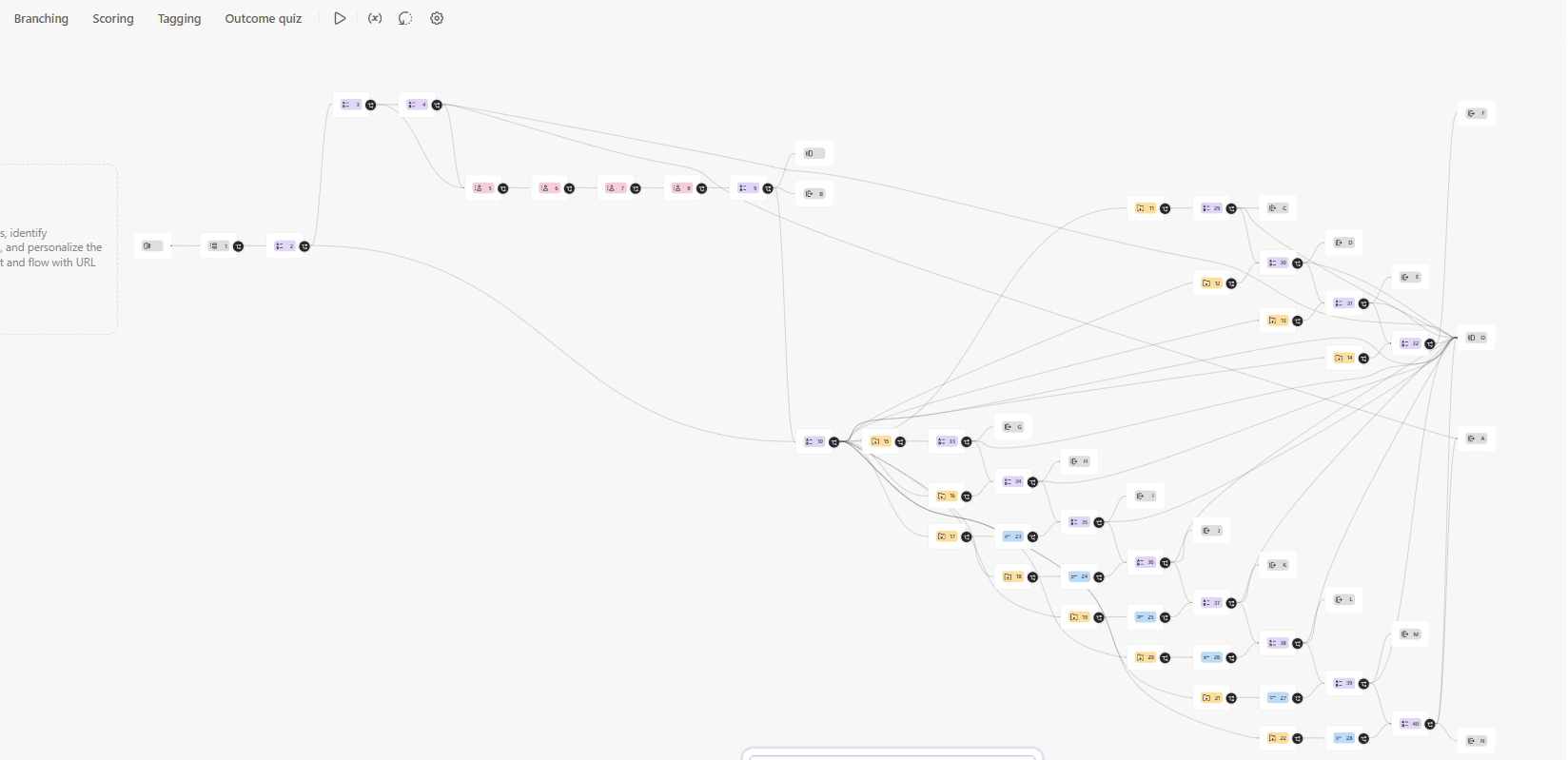
Once funded, I led the rollout, working with and educating teams across the organization to design forms that finally matched the complexity of what they were actually trying to collect. I worked directly with the community involvement team to build a logic-driven form that functioned less like a linear questionnaire and more like a conversation, routing users through relevant questions based on their answers, producing richer responses, and eliminating the back-and-forth email chains that had formed when forms came back with missing information.
TypeForm's automation features allowed us to send fully customized confirmation emails, both to the person filling out the form and to the internal stakeholder receiving the submission. I connected the platform to SharePoint, enabling live response tracking in Excel as submissions came in. The entire data pipeline, from form submission to actionable insight, became cleaner and faster.
We extended the platform beyond internal use, sending TypeForm event invitations to members for financial wellness events, where the polished experience drove meaningful registration upticks among audiences we'd struggled to engage before.
The Outcome
The rollout took nine months from initial pitch to full organizational launch. It was the first project my boss trusted me to own, research, and drive through the organization independently.
Forms that once made Canvas members question whether they were legitimate now looked and felt unmistakably like Canvas. Engagement increased. Data quality improved. Email chains shortened. And eight teams across the organization had a tool they actually wanted to use.
What I Learned
This project taught me that good ideas don't sell themselves, evidence does. The pitch that got leadership's attention wasn't a slide deck. It was a real form, built in our brand, solving a real problem, already getting results. Showing is always more persuasive than telling.
It also showed me the value of knowing when to move. Sometimes the fastest path to organizational change is a well-timed proof of concept and the confidence to put it in front of people before you have permission to.
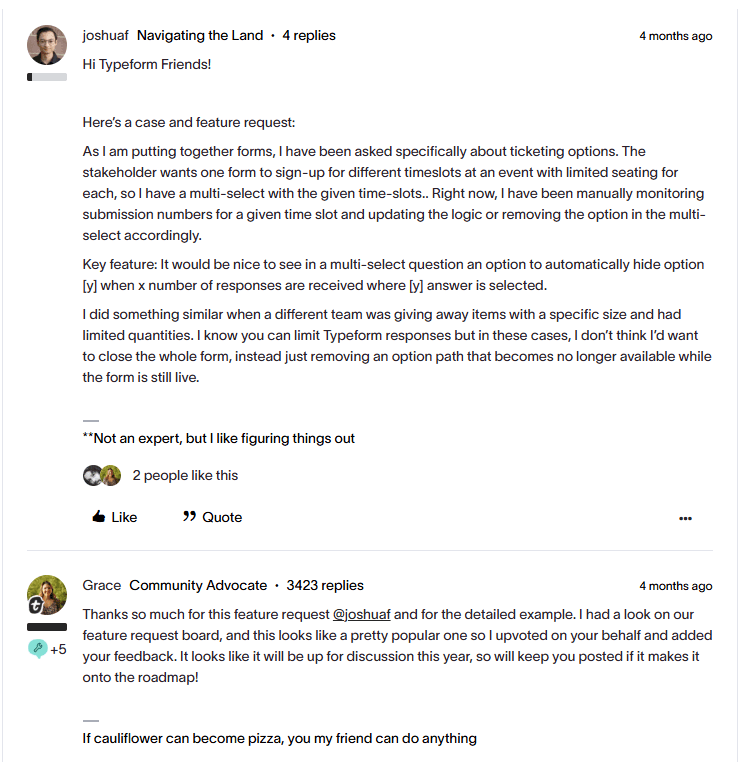
And, a project doesn't just end when the rollout is complete, I became somewhat of a TypeForm ambassador, engaging with the software's community, suggesting new features and advocating for the solutions I knew my team still needed from TypeForm.
Other projects

"Off the Cuff" Podcast
Breaking Down Barriers to Faculty Mentorship Through Long-Form Audio Storytelling
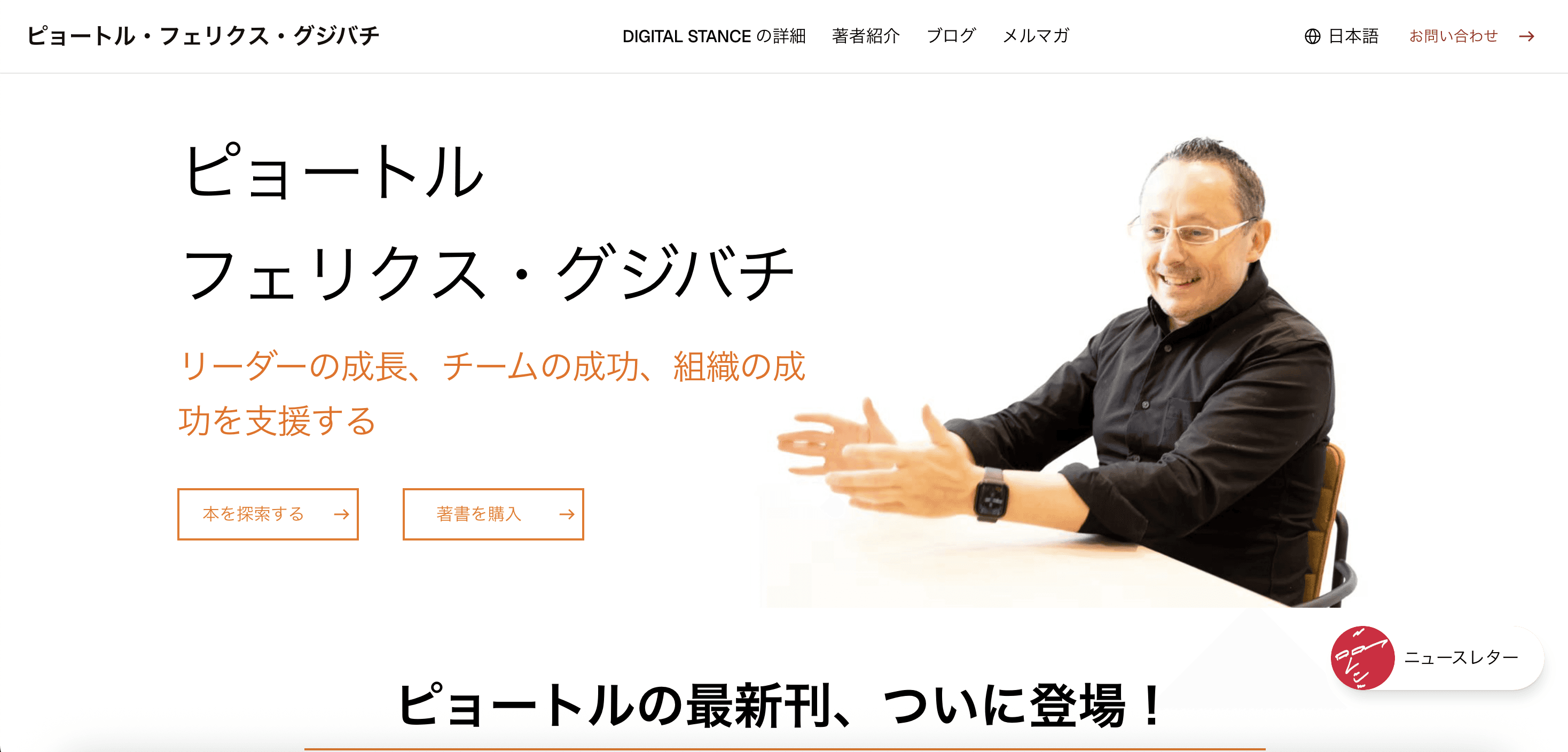
Pronoia Group — Bilingual Web Design & Brand Refresh
From Formality to Function — Rebuilding a Brand's Digital Voice in Two Languages
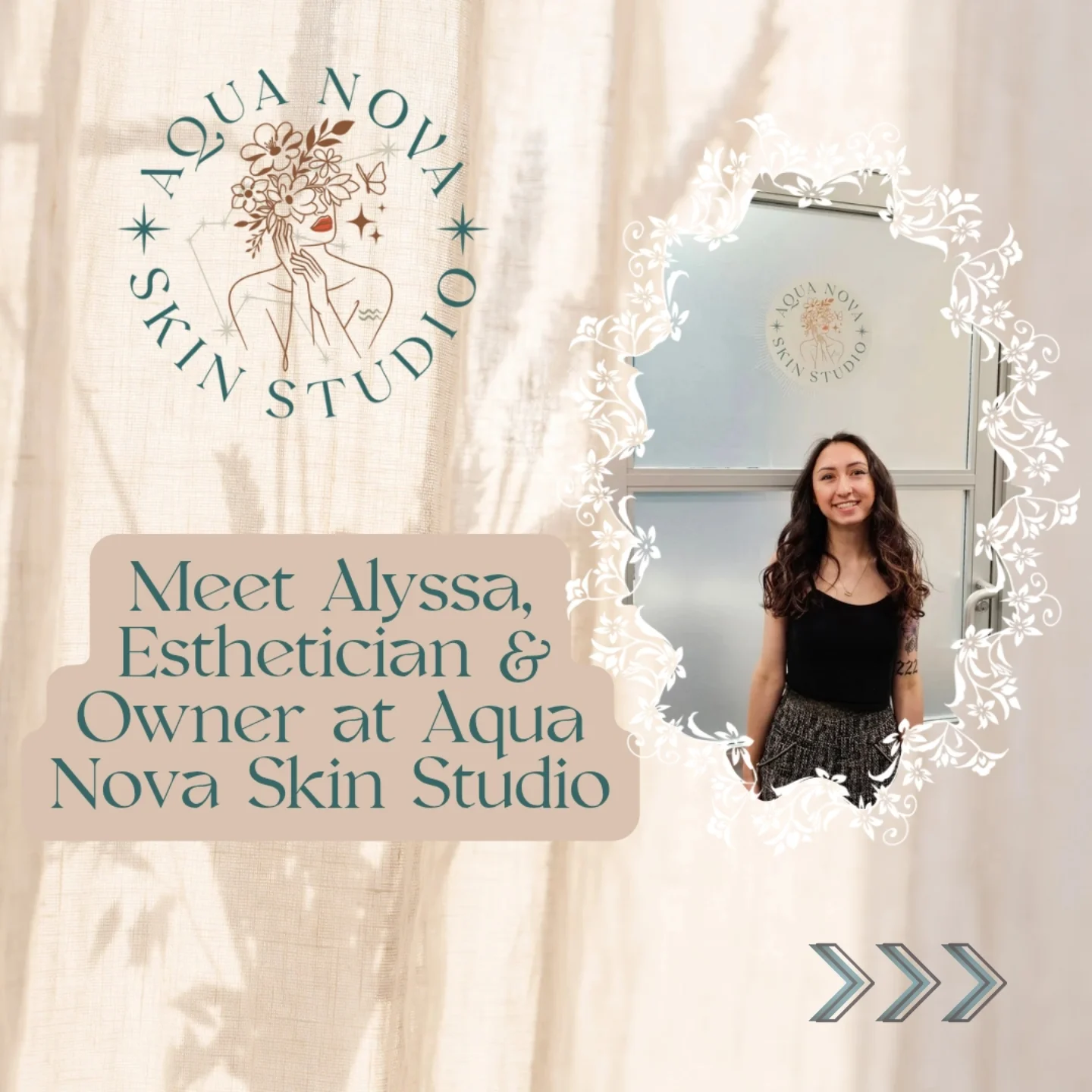
Aqua Nova Skin Solutions — Brand Identity & Launch
From Blank Page to Booked Solid
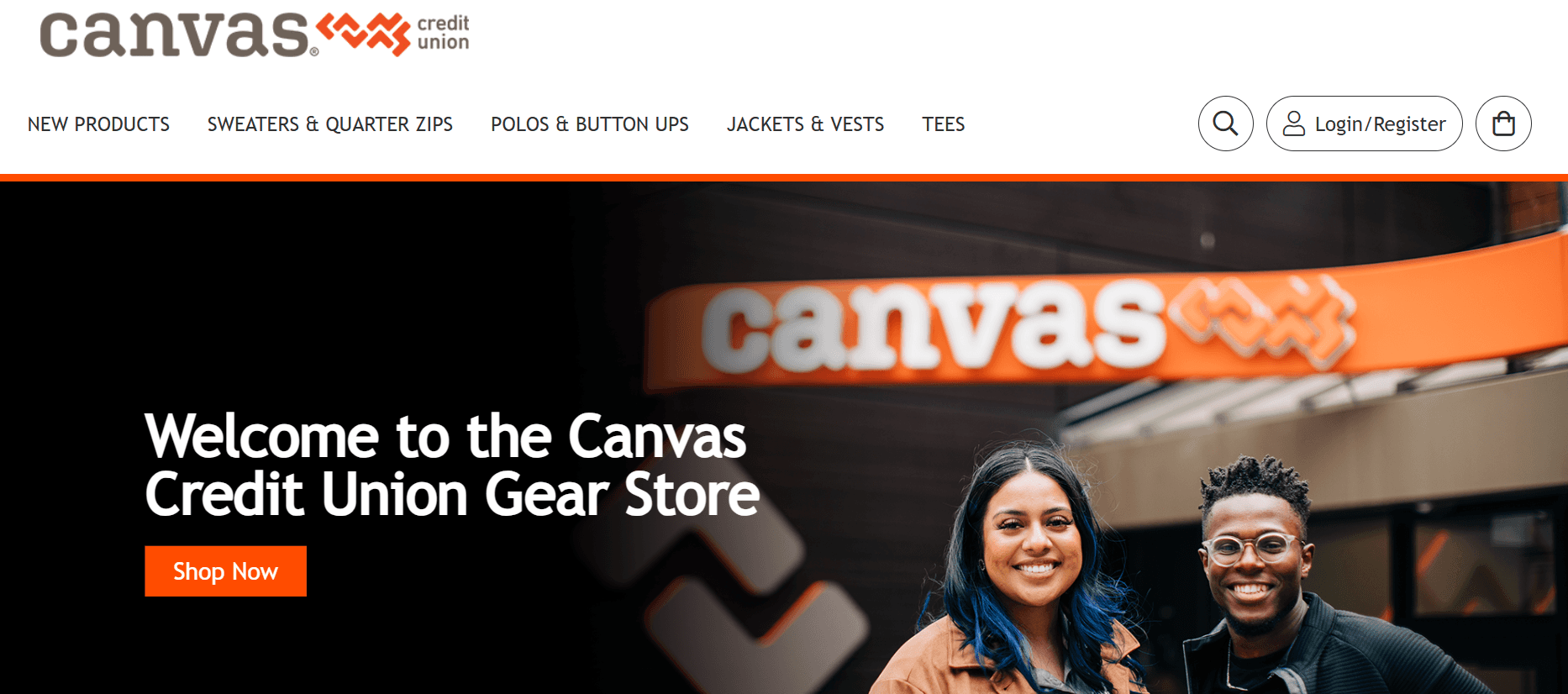
Canvas Credit Union — Employee Apparel Store
Rebuilding Canvas's Employee Apparel Program From the Ground Up
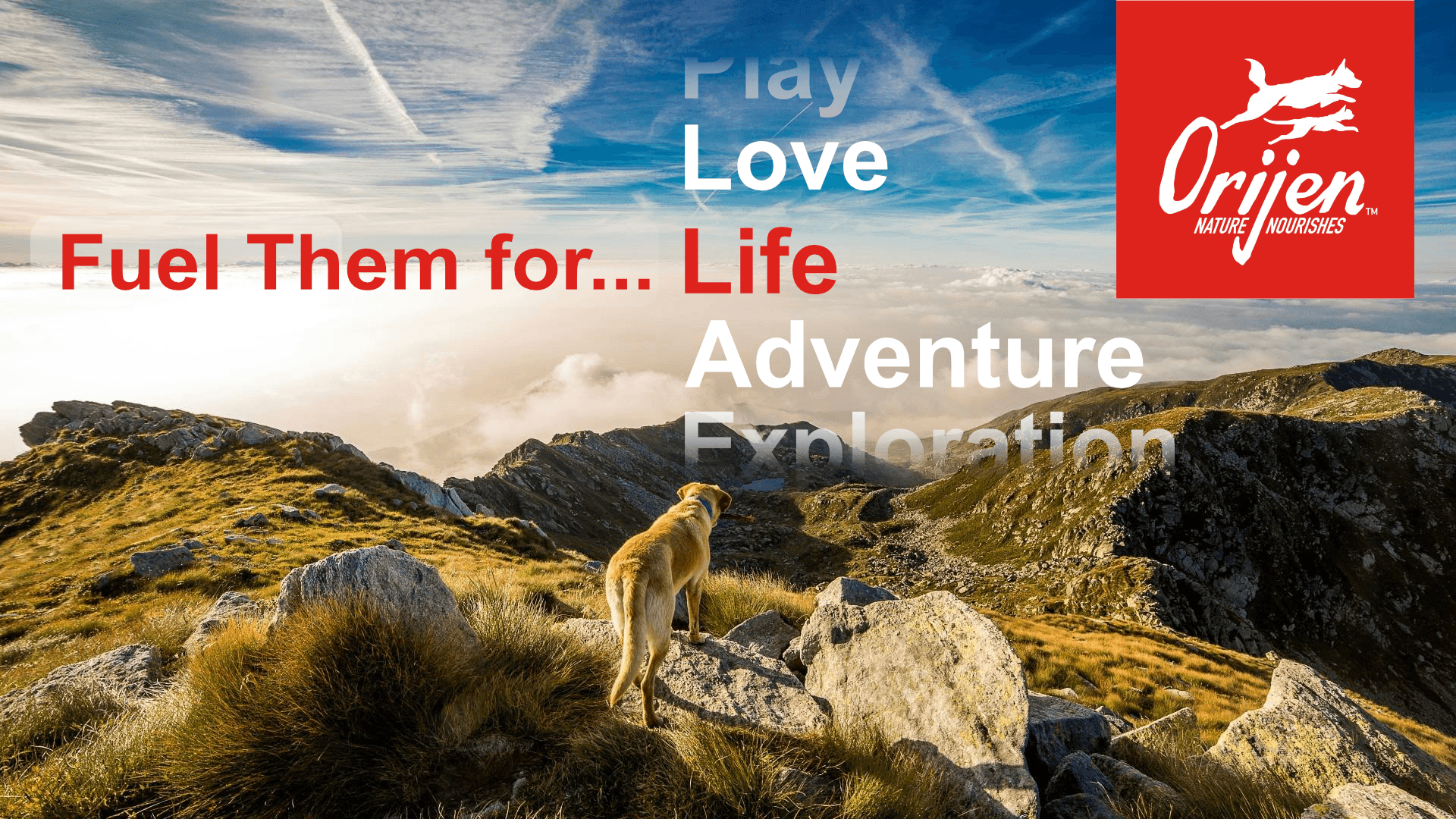
"Fuel Them For..." — An ORIJEN Brand Awareness Campaign
A three-week sprint to reposition a premium pet food brand for the outdoor generation

Creative Sprint: "LUCID" - A Short Film by Andrew Perper
Helping to Bring Andrew's Vision to Life

Advertising Project: Maybelline New York IMC Response Campaign "The city doesn't wait and neither does she"
Challenging Ephemeral Virality with Heritage, High Performance, and Human-AI Workflows
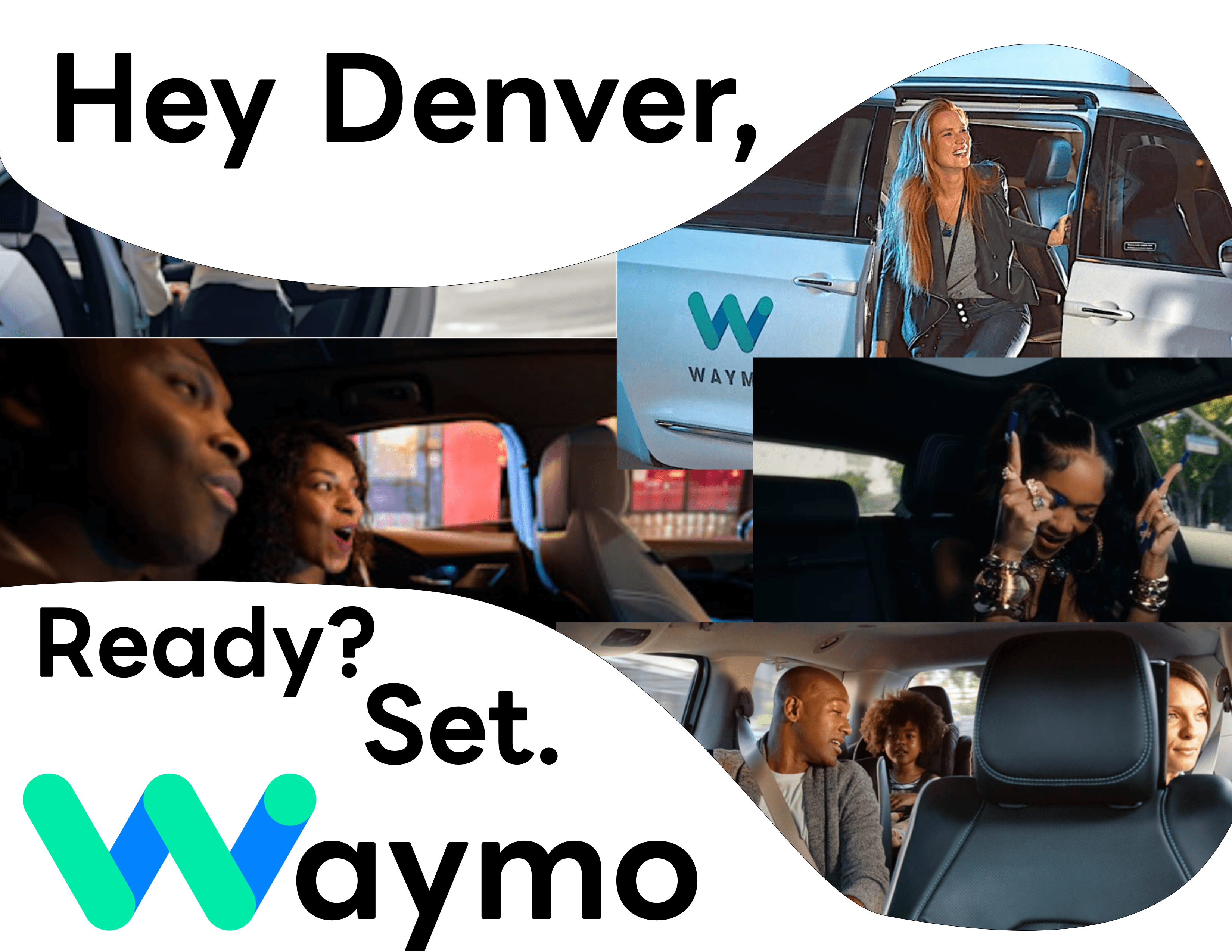
Advertising Project: WAYMO's Denver Launch IMC Campaign
Reframing the Autonomous Ride from Tech Novelty to Daily Sanctuary

New Product Development Project: Strava Mate
From Metric Tracking to Movement Crews: Productizing Social Connection on Strava