Pronoia Group — Bilingual Web Design & Brand Refresh
From Formality to Function — Rebuilding a Brand's Digital Voice in Two Languages
Role
Digital Marketing Intern
Industry
B2B HR Consulting
Duration
2 Months
The Company
Pronoia Group is a Tokyo-based B2B consulting firm operating at the intersection of two worlds. For foreign companies seeking to enter Japan, they serve as a strategic guide, Navigating business culture, team logistics, and relationship-building in a market that rewards patience and local fluency. For Japanese firms, they work with executives to modernize corporate culture from the inside: building more agile, employee-forward organizations capable of competing on a global stage.
Their expertise was deeply rooted in HR, leadership, and organizational dynamics. But their digital presence hadn't kept pace with the sophistication of their work.
The Brief
I joined Pronoia Group as a digital marketing intern and became a champion for rebuilding their web presence from the ground up, in two languages, for two distinct audiences.
The firm operated two primary web properties:
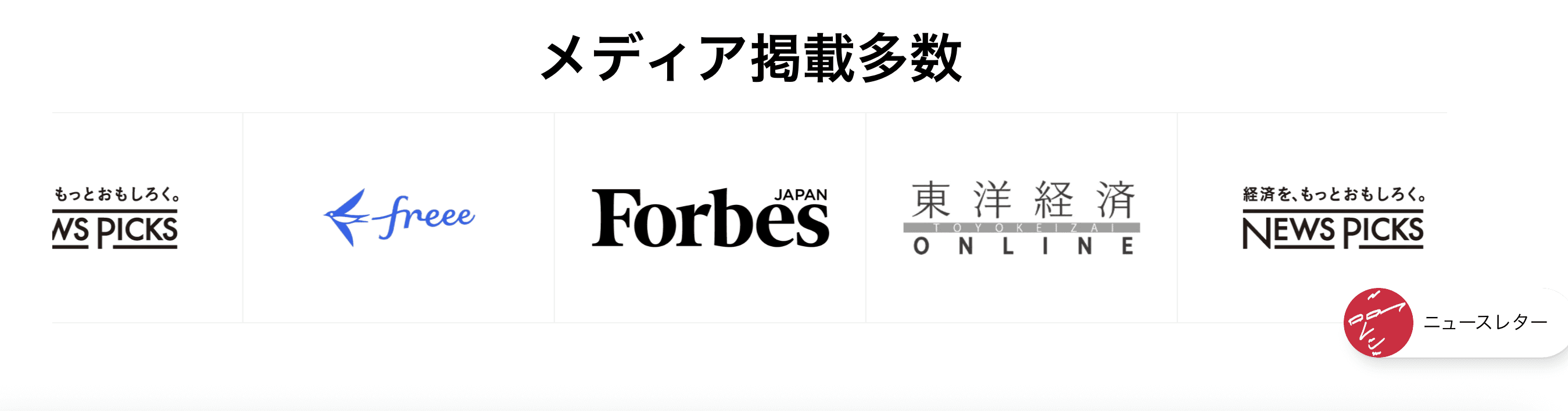
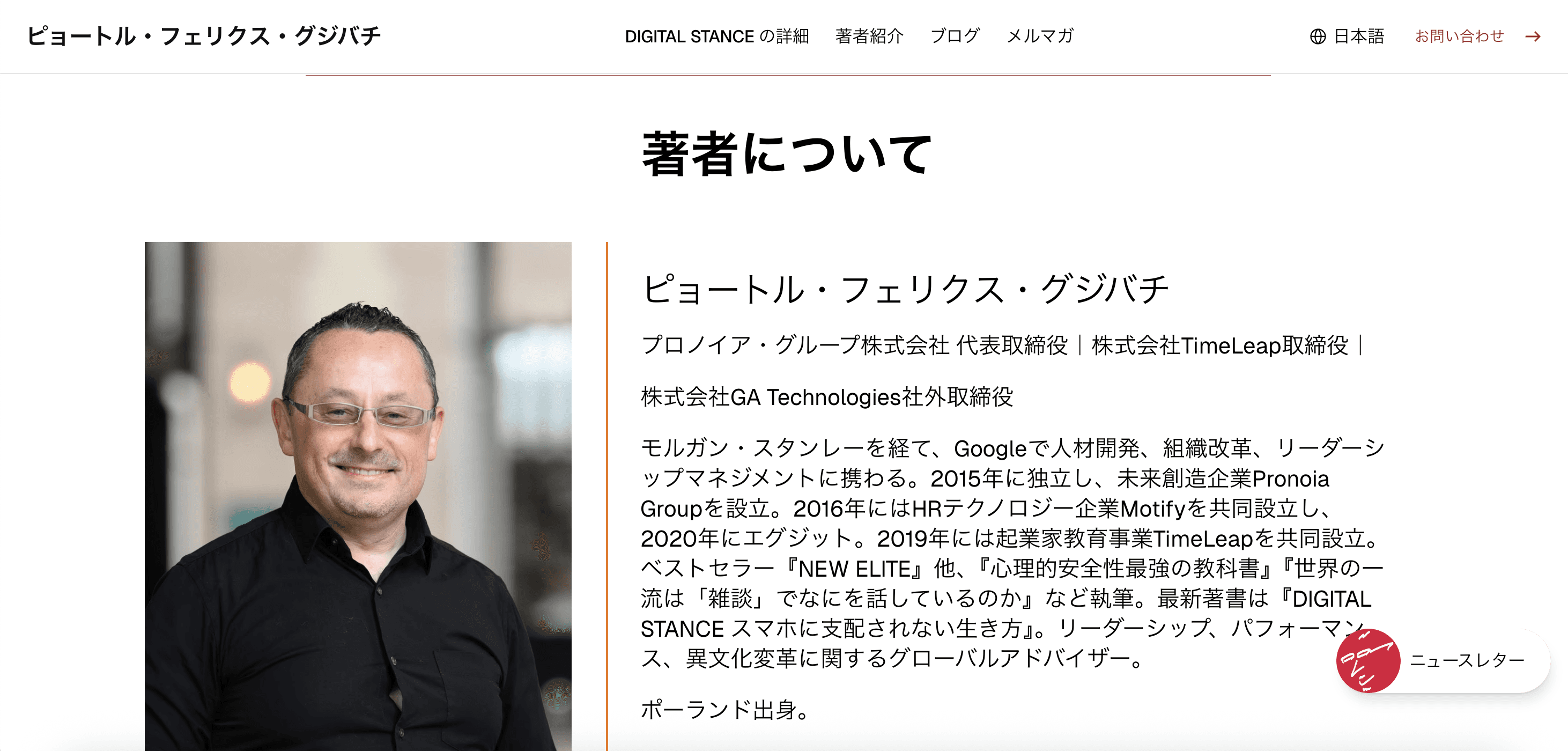
The Pronoia Group consulting site existed in both English and Japanese. But there were glaring issues from the start. The Japanese site was polished and content-rich, while the English version felt like an afterthought. Worse, neither version was doing the job a business website should do. The firm had positioned itself well as a thought leader in work-life balance and modern workplace culture, but there was no clear articulation of their services. It read like a formality, not a sales tool.
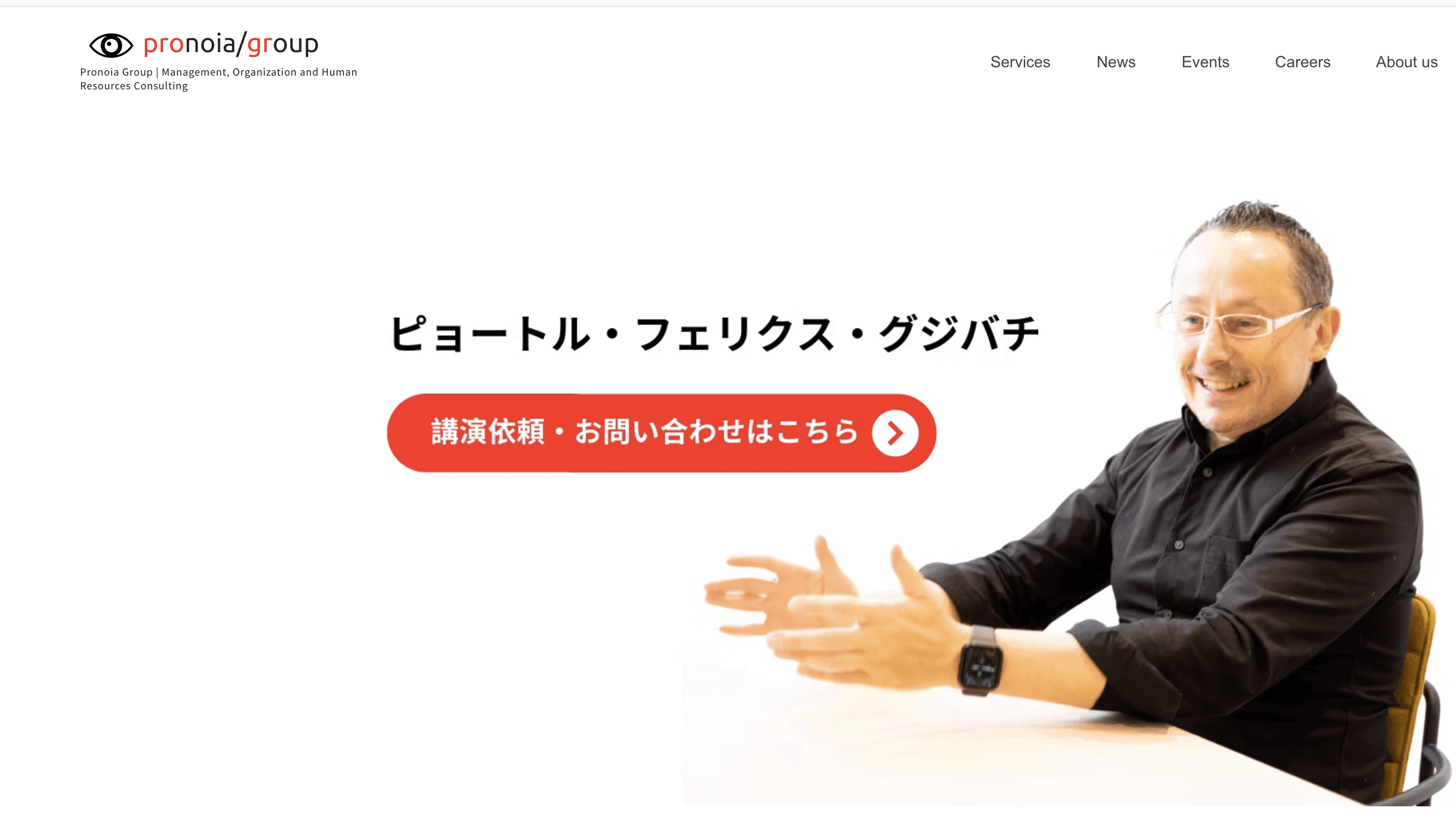
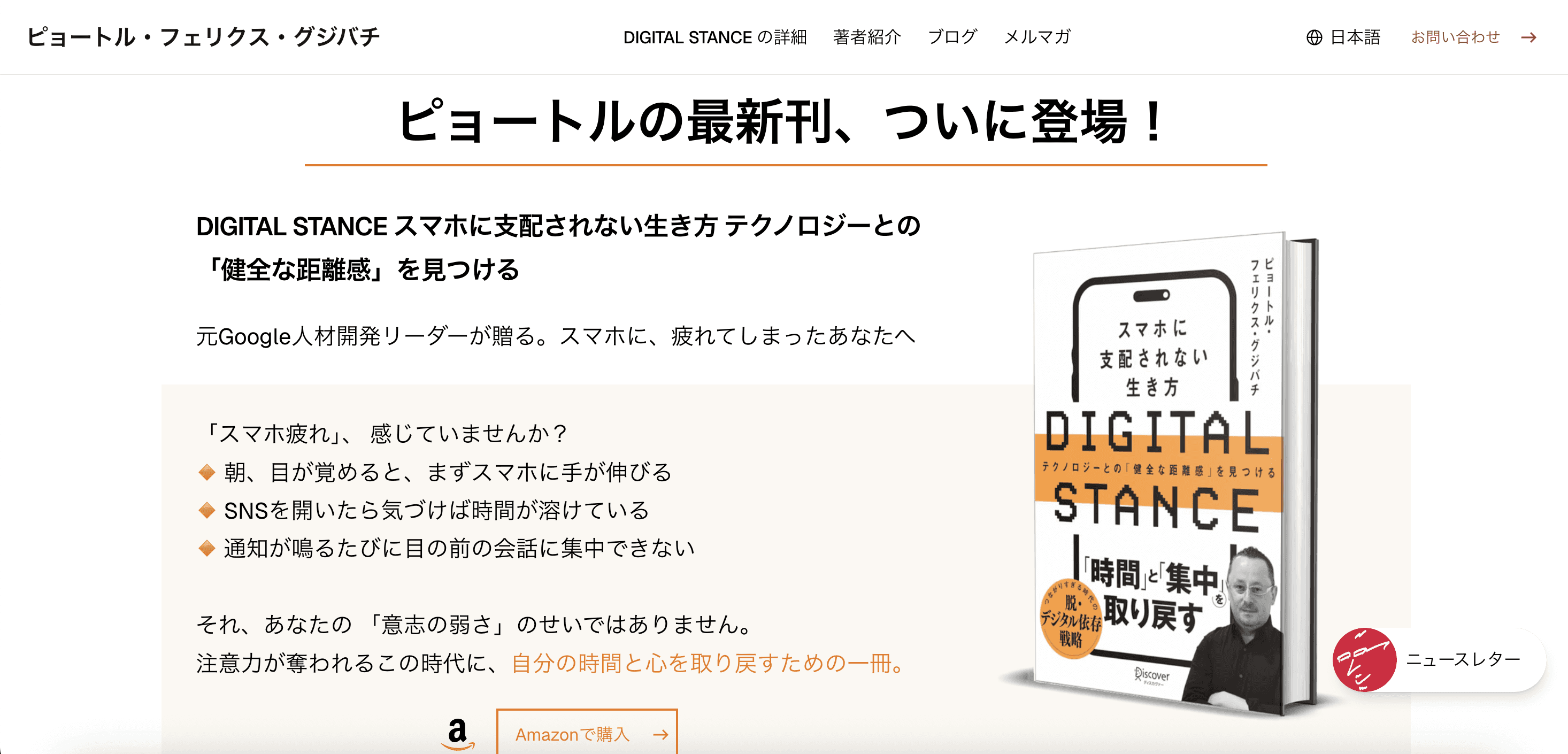
The lead consultant's book website had a similar problem. He was an established author, but his site featured a single book, sparse photography, and a layout that hadn't been touched in years. He had stopped advertising it, even as his body of work had grown.
The Work
Rebuilding the Consulting Site
Working alongside the Japanese consultant who provided copy guidance and cultural direction, I redesigned both versions of the Pronoia Group site using Framer, implementing a CMS system to house thought leadership case studies — preserving the firm's intellectual credibility while finally giving services the space they deserved.
The goal was to make the English site feel as fluid and complete as its Japanese counterpart, even where the content necessarily differed. This meant more than translation. Each audience had different context, different expectations, and different entry points into the firm's value proposition. Foreign clients needed orientation — what is this market, why do I need a guide? Japanese executive clients needed validation — why should I trust an outsider to challenge how we operate?
Building bilingually in Framer was technically demanding. Using Framer's localization feature to maintain design consistency across two languages — where sentence lengths, character widths, and layout flow behave very differently — required constant iteration. Every page was designed, broken by copy input, and rebuilt. The undo button was used liberally. AI tools including Claude, ChatGPT, and Google Gemini assisted with copywriting, translation bridging, and troubleshooting Framer-specific technical challenges.
The Book Website — Brand Refresh & Launch
For the book site, my purpose was different: I was establishing a distinct personal brand for the consultant as an author, separate from but complementary to his identity within Pronoia Group. I developed a new color scheme to create visual separation between the two properties while maintaining a sense of authority and continuity.
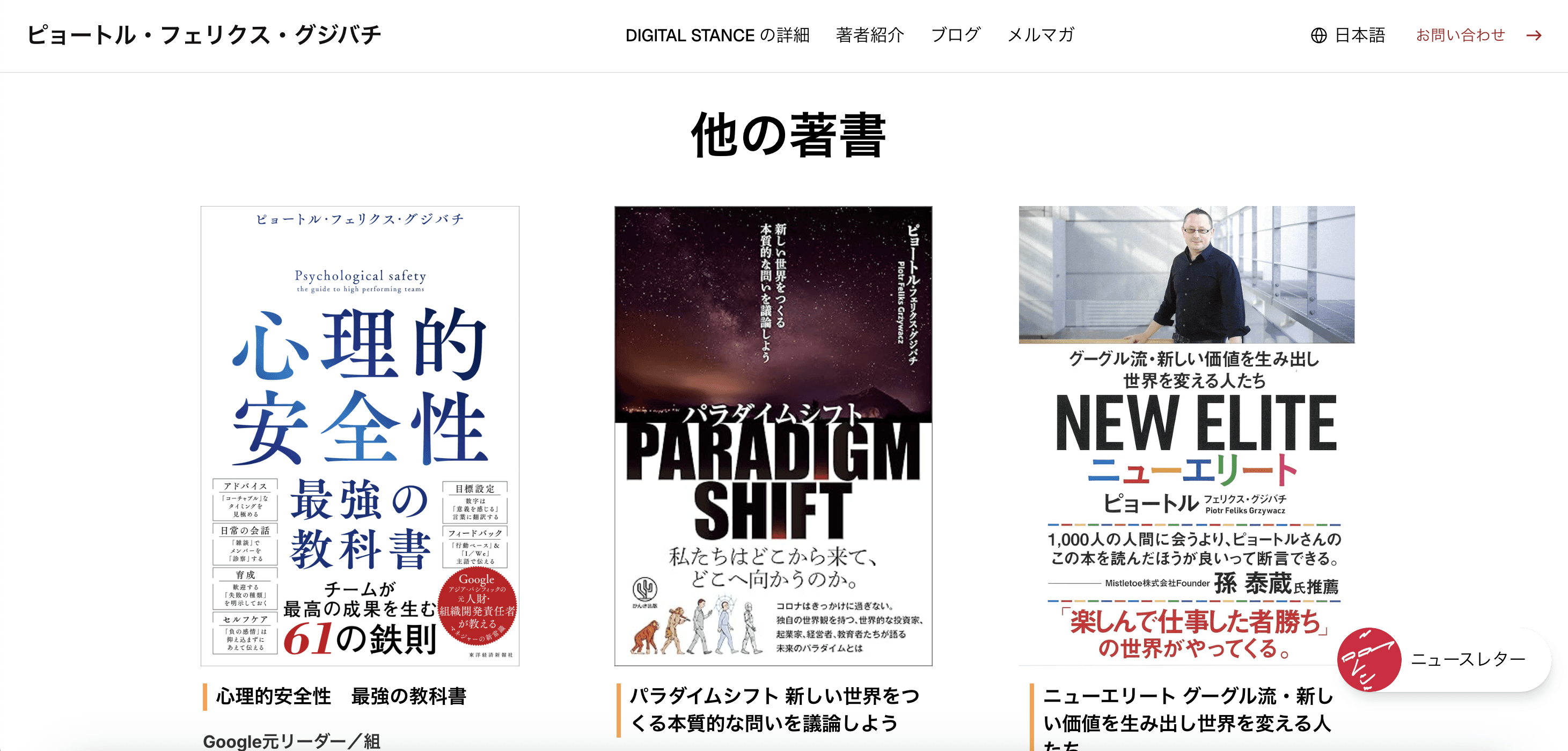
The redesigned site benefited from all the learnings from the consulting site development. It spotlighted his full catalog, integrated direct links to Amazon for purchase, and was built with a content structure that would make future book releases easy to add without a developer. I published the site live at the end of my internship.
The site needed to do one thing well: turn a visitor into a buyer.
What I Learned
Working in Tokyo on a project this technically and culturally layered taught me things no classroom could replicate. Localization is not translation — the message, the tone, and even the visual hierarchy have to earn trust differently depending on who's reading. A CTA that feels natural to a Western reader can feel pushy or abrupt to a Japanese one.
A website is a brand's first sales conversation. If it doesn't clearly answer what you do, who you do it for, and how I can reach you — it isn't working hard enough.
Tools Used: Framer, OpenAI (ChatGPT), Google Gemini, Claude
Deliverables: Bilingual consulting website (EN/JP), standalone author/book website
Other projects

"Off the Cuff" Podcast
Breaking Down Barriers to Faculty Mentorship Through Long-Form Audio Storytelling
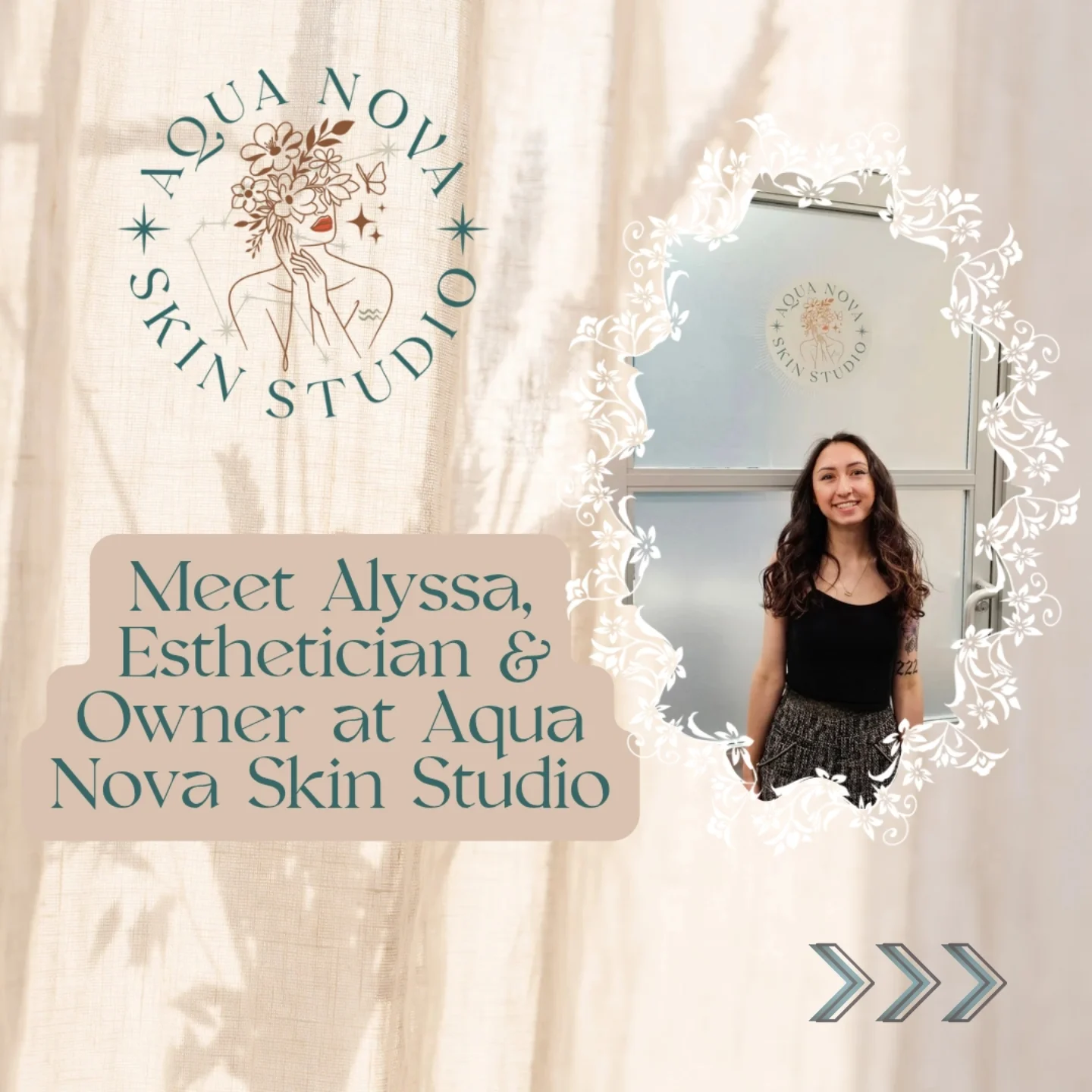
Aqua Nova Skin Solutions — Brand Identity & Launch
From Blank Page to Booked Solid

Typeform — Organizational Innovation at Canvas Credit Union
Modernizing Canvas's Form Experience
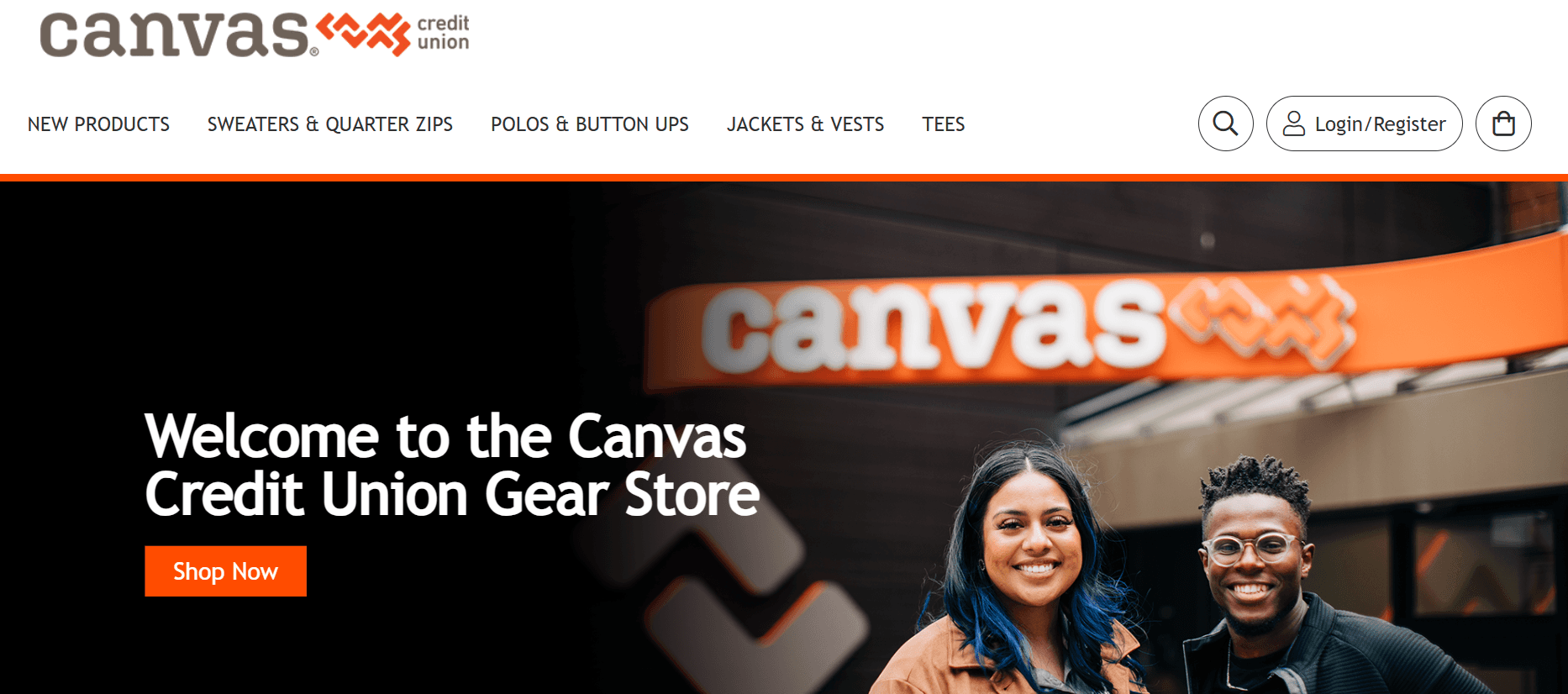
Canvas Credit Union — Employee Apparel Store
Rebuilding Canvas's Employee Apparel Program From the Ground Up
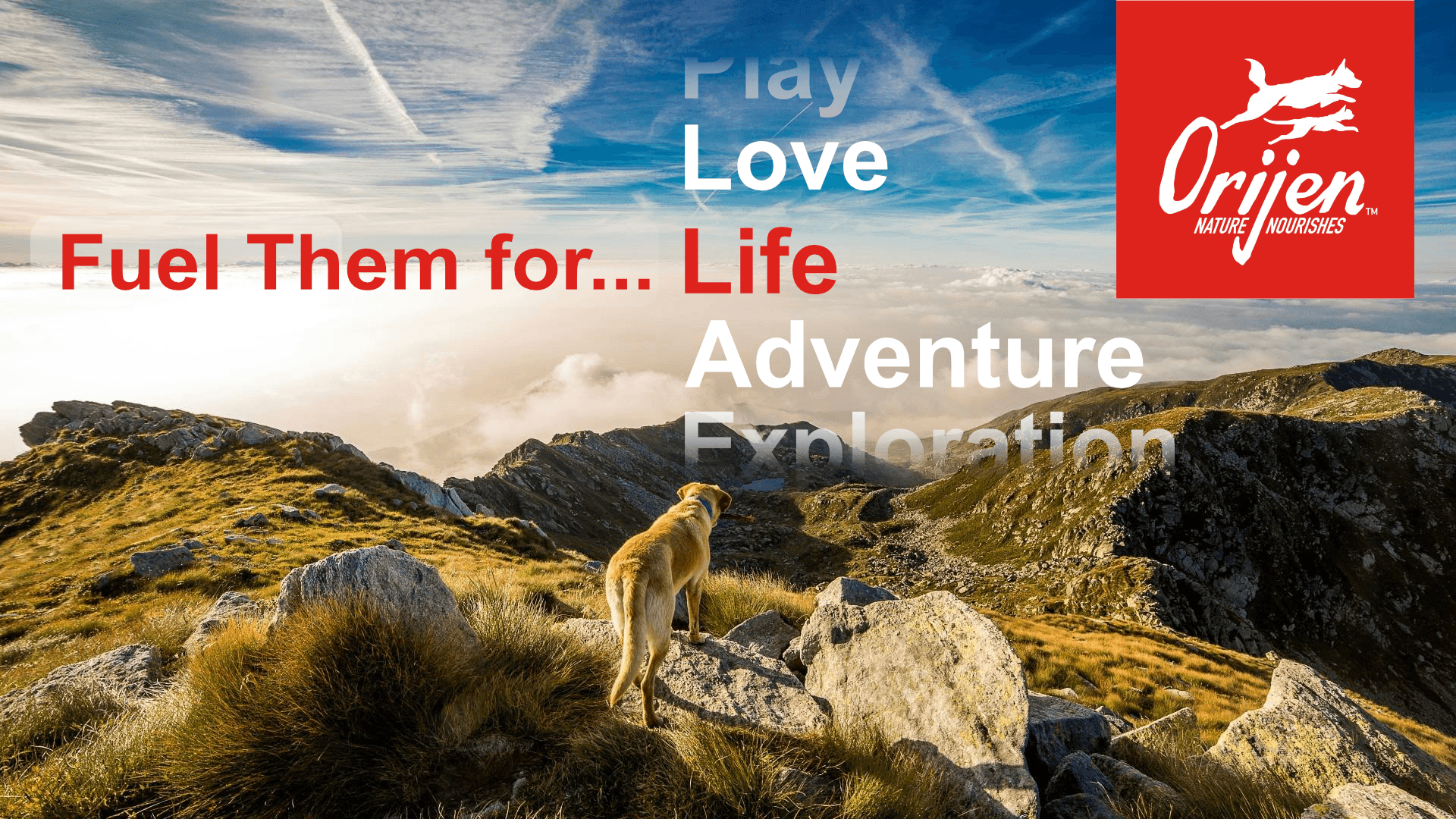
"Fuel Them For..." — An ORIJEN Brand Awareness Campaign
A three-week sprint to reposition a premium pet food brand for the outdoor generation

Creative Sprint: "LUCID" - A Short Film by Andrew Perper
Helping to Bring Andrew's Vision to Life

Advertising Project: Maybelline New York IMC Response Campaign "The city doesn't wait and neither does she"
Challenging Ephemeral Virality with Heritage, High Performance, and Human-AI Workflows

Advertising Project: WAYMO's Denver Launch IMC Campaign
Reframing the Autonomous Ride from Tech Novelty to Daily Sanctuary

New Product Development Project: Strava Mate
From Metric Tracking to Movement Crews: Productizing Social Connection on Strava